
Linen duvet covers earn their reputation over decades, not weeks, and not every one on the market is built for that lifespan. Weight, closure, stitching and sizing all shape how a cover feels at bedtime and how it looks after three years of washing. Use this checklist to compare properly before you buy.
Thread count is a cotton measurement and tells you almost nothing useful about linen. Ask for the GSM — grams per square metre — instead, and think about the room it's going into.
Ask whether the linen is pre-washed or stonewashed. Unwashed linen arrives stiff and will shrink; pre-washed is closer to its final size and softer from the start. Stonewashing goes further, leaving a slightly fuzzy surface that settles after a few washes.
You'll notice this every time you change the bed, so choose deliberately rather than for looks.
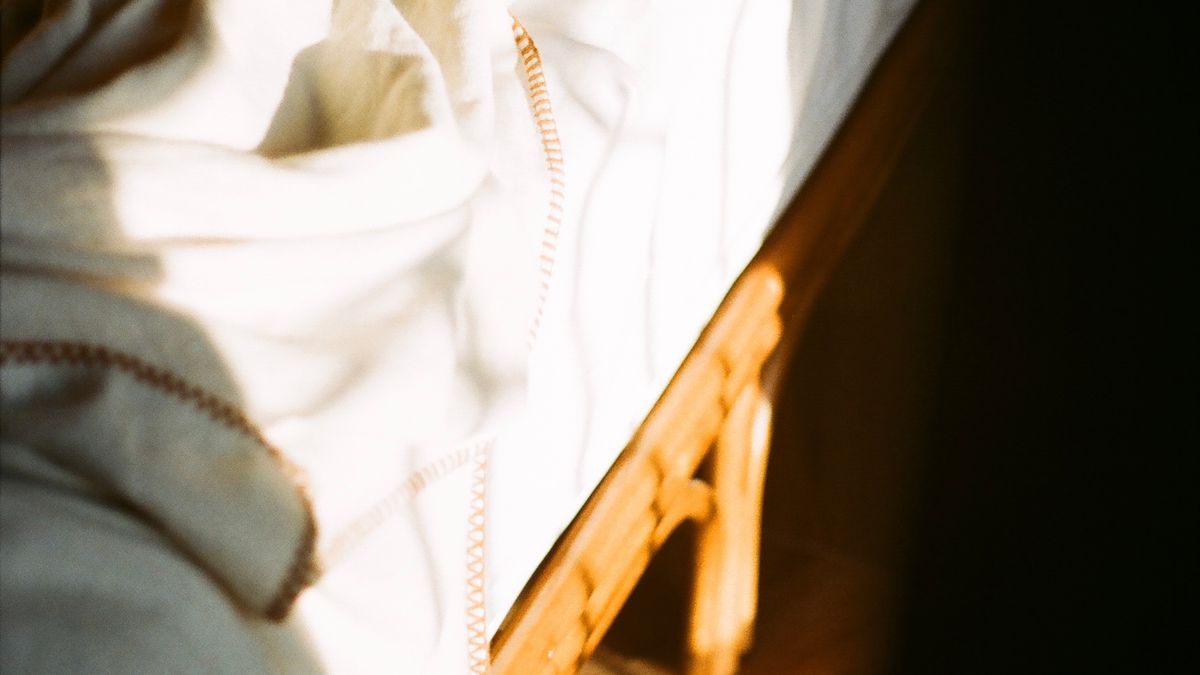
Two covers can look identical online and behave very differently after a year. Look for French or flat-felled seams along the long sides, where raw edges are enclosed — nothing to fray, no scratchy ridge against your shoulder. Overlocked edges are cheaper and can unravel.
Check the hem depth (3–5cm is generous and helps the cover hang well) and a double row of stitching along it. Around eight to ten stitches per inch is a good sign; loose, sparse stitching is where splits begin. Buttons should be cross-stitched with a small shank rather than flat against the fabric, so they don't pull.
UK duvet sizes vary slightly between makers, so measure yours before ordering — especially an older or non-standard one.
Allow for shrinkage of roughly 3–5% on the first wash if the linen isn't pre-shrunk — enough to turn a comfortable king into a wrestling match. If your duvet is lofty and high-tog, size up. A cover that's too tight strains the seams and never lies flat.
"Linen" on a label doesn't always mean 100% linen fibre. Blends with cotton or viscose are cheaper and crease less, but wear differently and feel less like the real thing. Check the composition if pure linen is what you're after.
Look for OEKO-TEX Standard 100 for chemical safety and a traceable origin such as European Flax. Naturally dyed or undyed covers avoid the slight stiffness some pigment-dyed linens carry. Expect the colour to soften with washing — that's normal, not a fault.
A £160 cover that lasts a decade costs less annually than a £60 one that bobbles after two. Expect roughly £100–£250 for a well-made double or king in midweight European linen, and £60–£90 for a lightweight summer cover. Wash at 40°C or lower, skip fabric softener (it coats the fibre), and line dry where you can. The first month is the least comfortable linen will ever be; after that, it earns its keep.

Hi, my name is Anthony kuber. I am artist and fashion designer.
I love to travel and writing blogging.
Your email address will not be published. Required fields are marked *
Software Developer & Writer
Hey, I'm Diva, a developer and writer blending code and creativity. I'm driven by a deep curiosity and a relentless pursuit of excellence. Join me as I craft digital solutions and captivating stories.


