
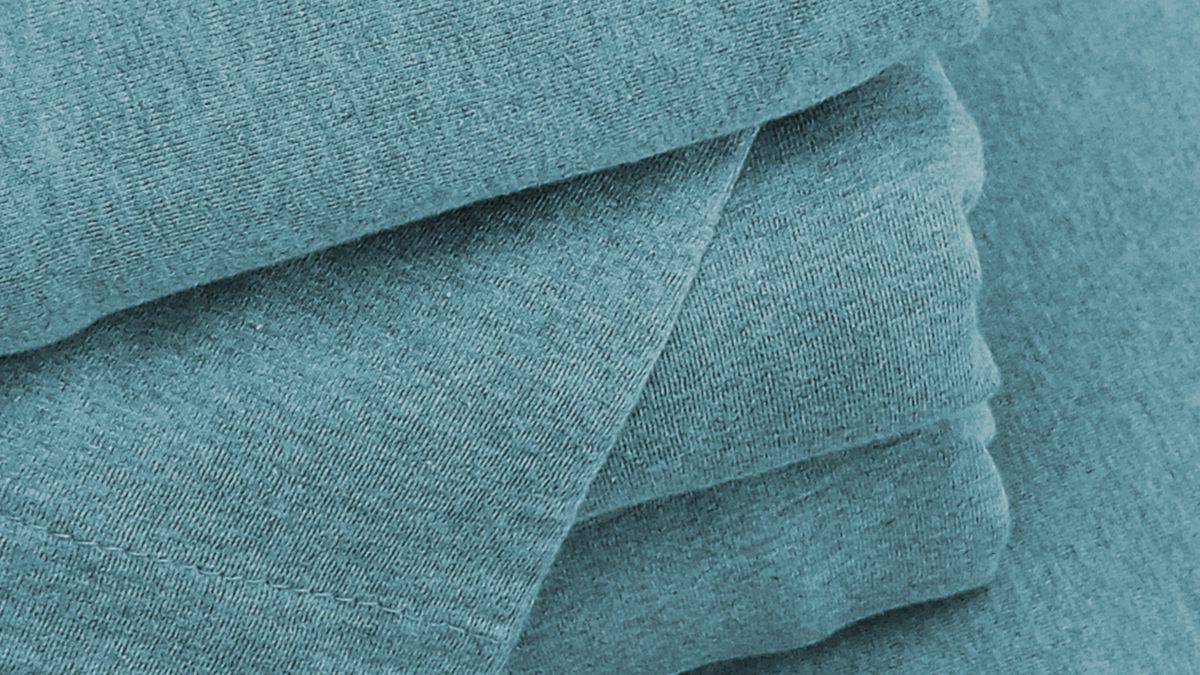
Linen is one of the oldest and most forgiving textiles in the home, but it does have a personality of its own. Woven from flax, the fibres are naturally strong, highly breathable and wonderfully absorbent. They also have very little elasticity, which is why linen creases so beautifully and why it can shrink if you treat it roughly. The good news is that linen gets softer and more supple with every careful wash. Those first few cycles are where the magic happens — the fibres relax, the weave loosens slightly, and a crisp new sheet becomes something closer to a well-worn favourite.
The aim of laundering linen is simple: clean it thoroughly without shocking the fibres. That means moderate temperatures, gentle agitation and a willingness to let it dry slowly. Get those basics right and your bedding will last for years, often improving with age.
Linen does not need heat to get clean. In fact, hot water is the quickest way to shrink a good sheet and fade its colour. For everyday washing, 30°C is ideal, and 40°C is perfectly acceptable for white or undyed linen that needs a deeper refresh. Anything above 60°C should be reserved for rare occasions and only on natural, unbleached linen that you are not worried about shrinking.
Always check the care label first, as some pre-washed linen is more tolerant than others. If your machine has a gentle or hand-wash cycle, use it. A shorter, cooler cycle with a slow spin (around 600–800 rpm) is far kinder than a long, hot one. If you can, choose a cool rinse — it helps the fibres keep their shape and reduces the energy you use at the same time.
Linen responds best to a mild, liquid detergent that rinses away cleanly. Powdered detergents can leave residue in the weave, which dulls the fabric and makes it feel stiff. A small amount is all you need; overdosing is one of the most common causes of scratchy, tired-looking sheets.
If you are washing a mixed load, keep linen away from heavy items such as towels or jeans, which can abrade the surface. A loose load gives the sheets room to move and rinse properly.
Before loading, shake each sheet out and undo any tight folds. Overloading the drum is the enemy of good linen care — crammed sheets cannot rinse clean and crease deeply. Wash linen bedding separately or with other light fabrics of similar weight.
Choose a gentle cycle with a low spin and, if your machine offers it, an extra rinse. This is especially useful in hard water areas where detergent residue builds up more readily. For stains, treat them promptly with a little diluted detergent before washing rather than reaching for harsh chemicals. Linen is surprisingly stain-resistant when attended to quickly.
Turn duvet covers and pillowcases inside out, and close any buttons or fastenings, to protect the fabric surface during the cycle.
How you dry linen matters as much as how you wash it. The gentlest method is to line dry in the shade, where a light breeze will soften the fibres naturally. Avoid direct, blazing sunlight for long periods, as it can fade deeper colours and make whites brittle. Indoor airing racks work well too, particularly in winter when central heating dries fabric quickly.
If you use a tumble dryer, choose the lowest heat setting and remove the sheets while they are still slightly damp. Over-drying is the main cause of both shrinkage and that papery, stiff feel. A few minutes on low to relax the creases, then finish by air, gives you the best of both worlds.
One of linen's greatest pleasures is that it does not require ironing. If you prefer a smoother finish, press sheets while they are still damp on a medium-hot setting, or use a little steam. A light mist of water is often enough. Many linen lovers simply embrace the natural texture, which softens further with each wash.
Store clean, fully dry bedding folded in a cool, dry cupboard. Damp linen left in a pile can develop mustiness, so make sure everything is completely dry before it goes away. Rotating two sets of sheets gives each one a rest and extends its life considerably.
Wash linen every one to two weeks, and it will reward you with a cool, breathable bed that feels better season after season. Treat it gently, keep the heat low, and let the fibres do what they do best.

Hi, my name is Anthony kuber. I am artist and fashion designer.
I love to travel and writing blogging.
Your email address will not be published. Required fields are marked *
Software Developer & Writer
Hey, I'm Diva, a developer and writer blending code and creativity. I'm driven by a deep curiosity and a relentless pursuit of excellence. Join me as I craft digital solutions and captivating stories.


