
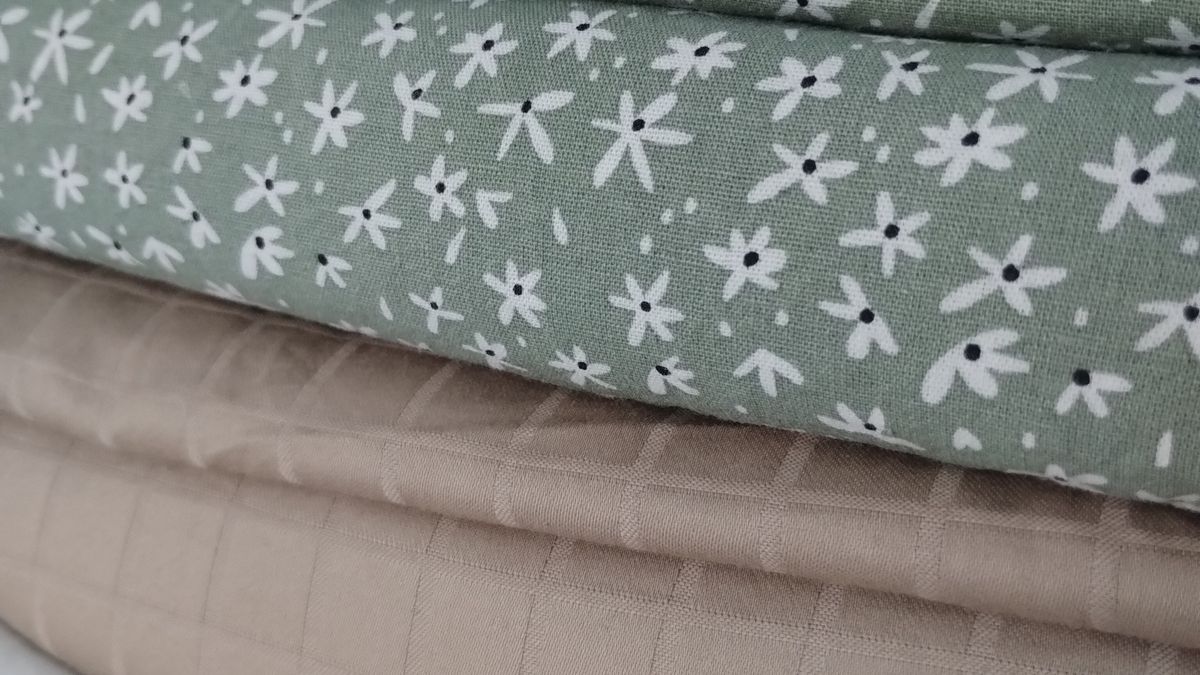
Linen is spun from flax, one of the oldest and most forgiving fibres we weave. It is naturally strong, becomes softer with every wash, and handles heat far better than cotton or synthetics. But it is also thirsty. Flax fibres wick liquid along their length, so a splash of claret that lands on the centre of the table can reappear near the hem if you simply dab at it and hope. The good news is that linen responds beautifully to prompt, gentle handling — and badly to panic, hot water on unknown stains, and the iron.
Treat your tablecloth as a working textile rather than a museum piece. Family meals, Sunday roasts and birthday gatherings will leave their mark. With the right approach, almost every mark can be lifted.
Whatever has landed, the opening moves are the same:
Red wine is a tannin stain with pigment attached, and it sets quickly. While the cloth is still wet, cover the mark generously with fine salt or bicarbonate of soda. Both draw moisture out of the fibres and lift pigment with it. Leave for ten minutes, then shake off and flush the area with cool water from the underside.
Next, make a paste from two tablespoons of bicarbonate of soda and a few drops of washing-up liquid. Work it in gently with your fingertips, leave for twenty minutes, then rinse. For anything left behind, soak the whole cloth in a basin of warm water with an oxygen-based bleach (sometimes sold as percarbonate) for up to an hour. Wash as normal at 40°C. Chlorine bleach can yellow linen over time, so keep it well away.
Tea and coffee behave much like wine, though milky drinks add a protein element that responds better to cool water than hot. Flush the stain with cold water first, always from the underside.
For plain white or undyed linen, the traditional method still works beautifully: stretch the stained section over a bowl, secure it with an elastic band, and pour boiling water through it from a height of about 30cm. The height gives the water momentum, and the linen is strong enough to take it. Never do this on coloured linen, which will bleed. Instead, soak in a warm oxygen-bleach solution for an hour before washing.
Avoid rubbing bar soap into a tannin stain. Soap can fix the colour in place, making the mark far harder to shift later.
Grease needs to be broken down rather than flushed away. Blot off what you can, then dust the area with cornflour or bicarbonate of soda and leave for fifteen minutes to absorb the oil.
Brush that away and apply neat washing-up liquid directly to the mark. Work it in with your fingertips — no water yet — and leave for fifteen minutes so the surfactants can lift the fat from the fibres. Rinse with warm water, then wash the cloth at the highest temperature its care label allows; linen commonly tolerates 40°C to 60°C.
Candle wax is a different creature. Let it harden completely, then place the cloth in the freezer for an hour and flex the wax off in flakes. Any residue will lift if you iron the area between two sheets of blotting paper on a low setting, moving the paper as it absorbs.
Wash linen tablecloths on a gentle cycle with a mild, non-biological detergent and a half-load of water. Overloading the drum creases the cloth and traps stains against the fibres. Skip fabric conditioner — it coats linen and reduces its natural absorbency.
Line dry in the shade for coloured linen, but white linen actually benefits from a few hours of direct sun, which helps whiten it naturally. Take the cloth in while it is still slightly damp and iron on the reverse with steam, working along the grain. If you prefer a softer, more relaxed look, skip the iron entirely and simply fold it straight from the line.
Store tablecloths rolled rather than folded for long periods, as permanent creases weaken flax fibres along the fold. Rotate your linens, use them often, and wash them after every gathering — a stain left to age for a fortnight is a far greater challenge than one dealt with over the washing-up bowl.

Hi, my name is Anthony kuber. I am artist and fashion designer.
I love to travel and writing blogging.
Your email address will not be published. Required fields are marked *
Software Developer & Writer
Hey, I'm Diva, a developer and writer blending code and creativity. I'm driven by a deep curiosity and a relentless pursuit of excellence. Join me as I craft digital solutions and captivating stories.


