
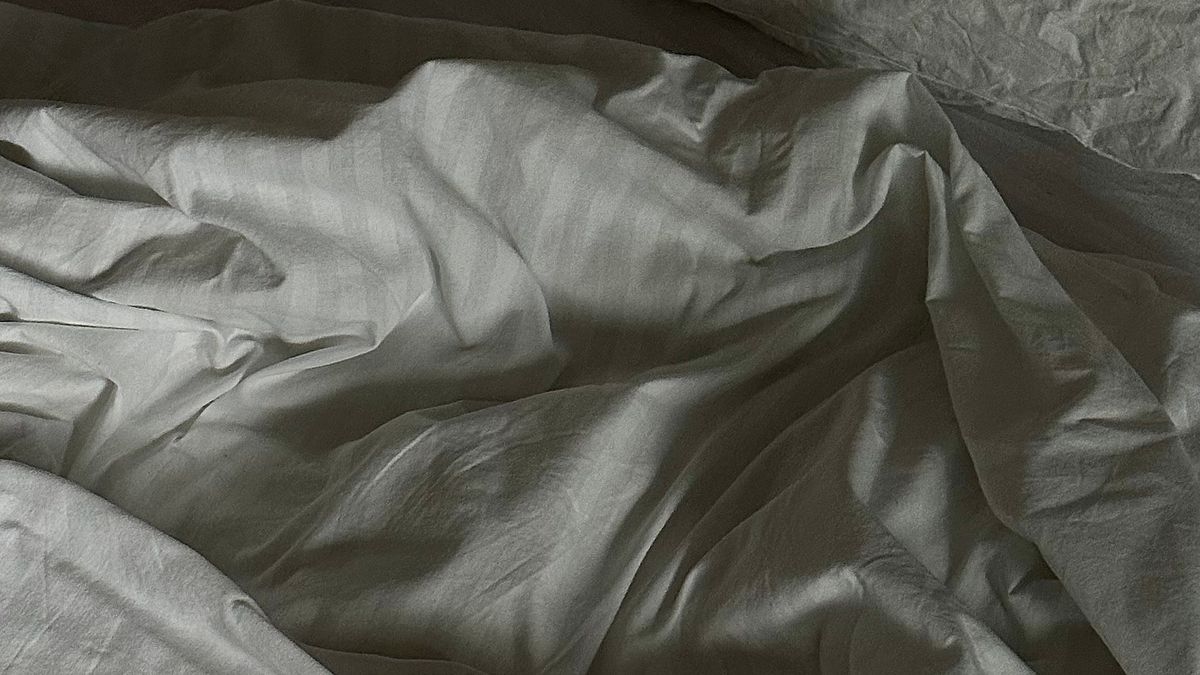
A linen throw is one of the quickest ways to soften a sofa and make a room feel considered, but size is where most people go wrong. A throw that looks generous on a compact two-seater can look skimpy on a deep three-seater, while an oversized one can pool on the floor and look accidental. The aim is simple: the linen should drape over the back, cover part of the seat and stop short of the floor. It should look as though it belongs there, not as though it has slipped off the bed.
You do not need a design degree, just a soft tape measure and five minutes. Measure your sofa while the cushions are in place, because they affect the final drape.
For a throw that goes over the back and down the seat, add the back height, the seat depth and a front drop of 10–20 cm. An 85 cm back plus a 60 cm seat plus a 15 cm drop needs around 160 cm. A 170 cm length sits neatly; a 200 cm length gives more overhang and a more relaxed look.
Linen throws are usually sold in a handful of standard sizes. Here is how they tend to behave in real rooms:
Think about the life your sofa leads. If you curl up under a throw most evenings, choose a size that covers you from shoulder to toe. A 150 x 200 cm works for one person; a 200 x 230 cm is better for two people sharing. If the throw is mainly visual, a smaller size folded neatly over one arm or across the back is often more elegant.
Homes with pets or children need a more practical approach. A larger throw that covers the seat cushions will protect the upholstery and can be washed regularly. If you have an open-plan room, a throw can also define the seating area, so a size that covers a good proportion of the sofa will look more intentional than a tiny square. In a formal sitting room, one folded throw on an arm may be all you need.
Once you have the right size, the styling is straightforward. Fold the throw in thirds lengthways, then lay it over the back of the sofa so one third sits on the seat and two thirds fall behind. Tuck the seat section lightly between the cushions, or let it lie flat if you prefer a cleaner line. An asymmetric drape, with more fabric on one side, looks relaxed rather than untidy.
Avoid letting the linen trail on the floor. A few centimetres above the floor is the sweet spot: it shows the length of the throw without turning it into a dust magnet. On armchairs, fold the throw in half and lay it over one arm, or drape it diagonally across the back. On a corner sofa, use two throws rather than one enormous one; this gives you flexibility and keeps the proportions right.
Natural linen is a sensible choice for sustainable interiors because flax needs little water and the fibre is strong. Look for mid-weight linen, around 180–220 gsm, which drapes well without feeling heavy. Stonewashed or pre-washed linen is softer from the start and less likely to shrink unexpectedly, though 3–5% shrinkage on the first wash is normal. If you are between sizes, buy the larger one and wash it before measuring the final drape.
Wash at 30°C on a gentle cycle, line dry, and avoid over-drying. Linen gets softer with every wash, so a well-chosen throw will improve with age. Buy one good size rather than three compromises: a throw that fits your sofa properly will be used more, washed less often and kept for years. That is better for your room and the planet.

Hi, my name is Anthony kuber. I am artist and fashion designer.
I love to travel and writing blogging.
Your email address will not be published. Required fields are marked *
Software Developer & Writer
Hey, I'm Diva, a developer and writer blending code and creativity. I'm driven by a deep curiosity and a relentless pursuit of excellence. Join me as I craft digital solutions and captivating stories.


