
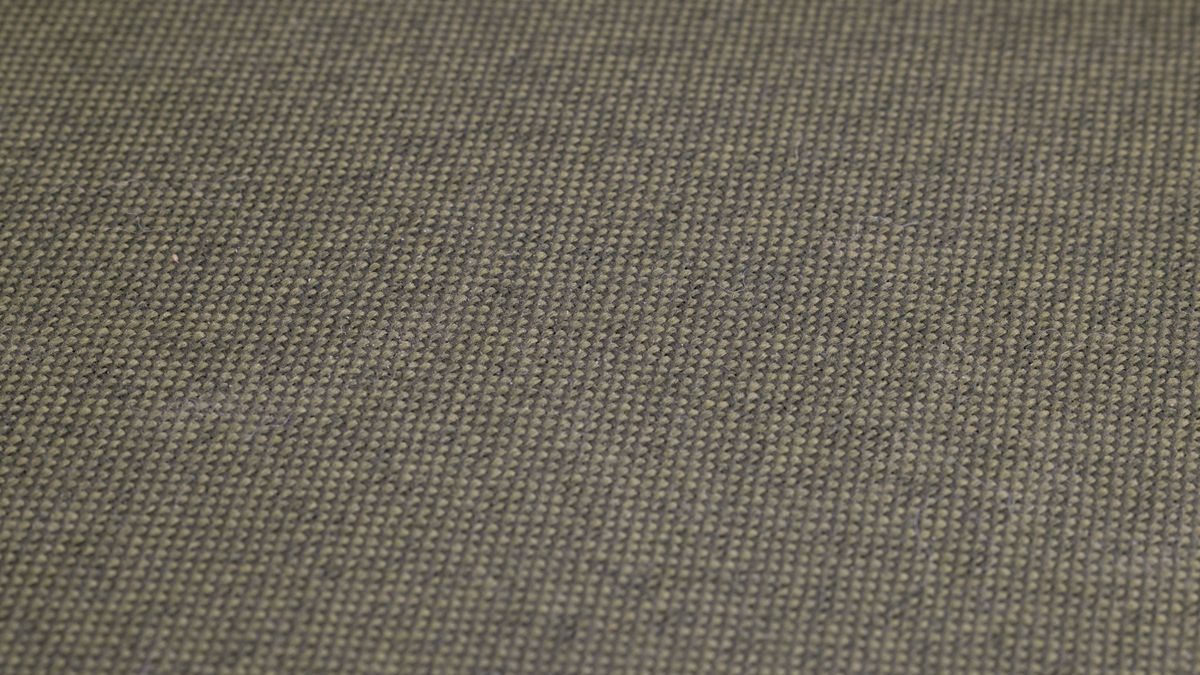
Open shelving is honest furniture. Everything on it is visible, so it has to earn its place. Natural linen earns it easily: the texture is soft and slightly irregular, the colours sit quietly together, and a folded stack introduces the kind of softness that hard surfaces desperately need. Folded sheets, towels and napkins also do something practical that boxes and baskets cannot — they let you see exactly what you have, so you use it rather than hoarding it.
The catch is that textiles on display are unforgiving. A shelf of casually tossed linens looks like a laundry pile. The same linens, folded with a bit of intention, look like a considered display. The difference is rarely about budget. It is about fold, colour, spacing and height.
Folding is the foundation. Get this right and the styling becomes almost effortless. Work on a flat surface, smooth each item with your hands as you go, and aim for rectangles rather than lumpy parcels — rectangles stack, lumps topple.
Press linens lightly while they are still slightly damp, or give them a quick steam. Linen is meant to look relaxed, not rumpled — there is a difference, and it shows on an open shelf.
An open shelf is a small stage, and too many colours will fight for attention. Stick to two or three tones and let texture do the rest. Natural oatmeal, ecru and chalk white sit beautifully together and flatter almost any wall colour. If you want warmth, add one accent — sage, clay, faded indigo or a soft rust — and repeat it in two or three places across the shelf so the eye can travel.
Textural contrast matters as much as colour. Pair a smooth, well-washed linen with a slubby waffle weave or a chunky waffle towel, but keep the busiest texture low or at the back so the shelf still reads as calm. One pattern per shelf is plenty; stripes are lovely, stripes plus checks plus embroidery is not.
Most clutter is a spacing problem rather than a quantity problem. Aim for a gap of around two to three centimetres between folded bundles, and leave roughly a third of every shelf empty. Air is what makes a shelf look styled rather than stuffed.
Tall stacks look generous but become unstable and slightly untidy over time. Six to eight folded items is a sensible maximum for a freestanding stack; beyond that, the base compresses and the top leans. If you need to store more, split it into two shorter stacks and use the extra width to create rhythm along the shelf.
Place heavier items — bath sheets, stacked bedding — on lower shelves, and lighter things like napkins or face cloths higher up. This is partly practical and partly visual: the eye reads a shelf as grounded when the weight sits at the bottom. Break up the linen with one or two non-textile objects, such as a small ceramic bowl, a candle or a bundle of dried stems in a simple vase. These give the eye somewhere to rest and stop the shelf looking like a shop display.
An open shelf only stays beautiful if it is easy to maintain. Rotate your stock so the front stack is the one you use first, and refold items properly when they go back rather than pushing them into place. Keep a small basket on the lowest shelf for odd pillowcases and single socks, and give the whole arrangement a two-minute tidy whenever you change the beds.
Finally, be realistic. Open shelving suits linen because linen improves with handling — it softens, creases and develops a lived-in quality that no synthetic fibre can imitate. Let it look used. The aim is not a shop window but a shelf that feels warm, generous and quietly ordered, which is exactly what good natural textiles do best.

Hi, my name is Anthony kuber. I am artist and fashion designer.
I love to travel and writing blogging.
Your email address will not be published. Required fields are marked *
Software Developer & Writer
Hey, I'm Diva, a developer and writer blending code and creativity. I'm driven by a deep curiosity and a relentless pursuit of excellence. Join me as I craft digital solutions and captivating stories.


