
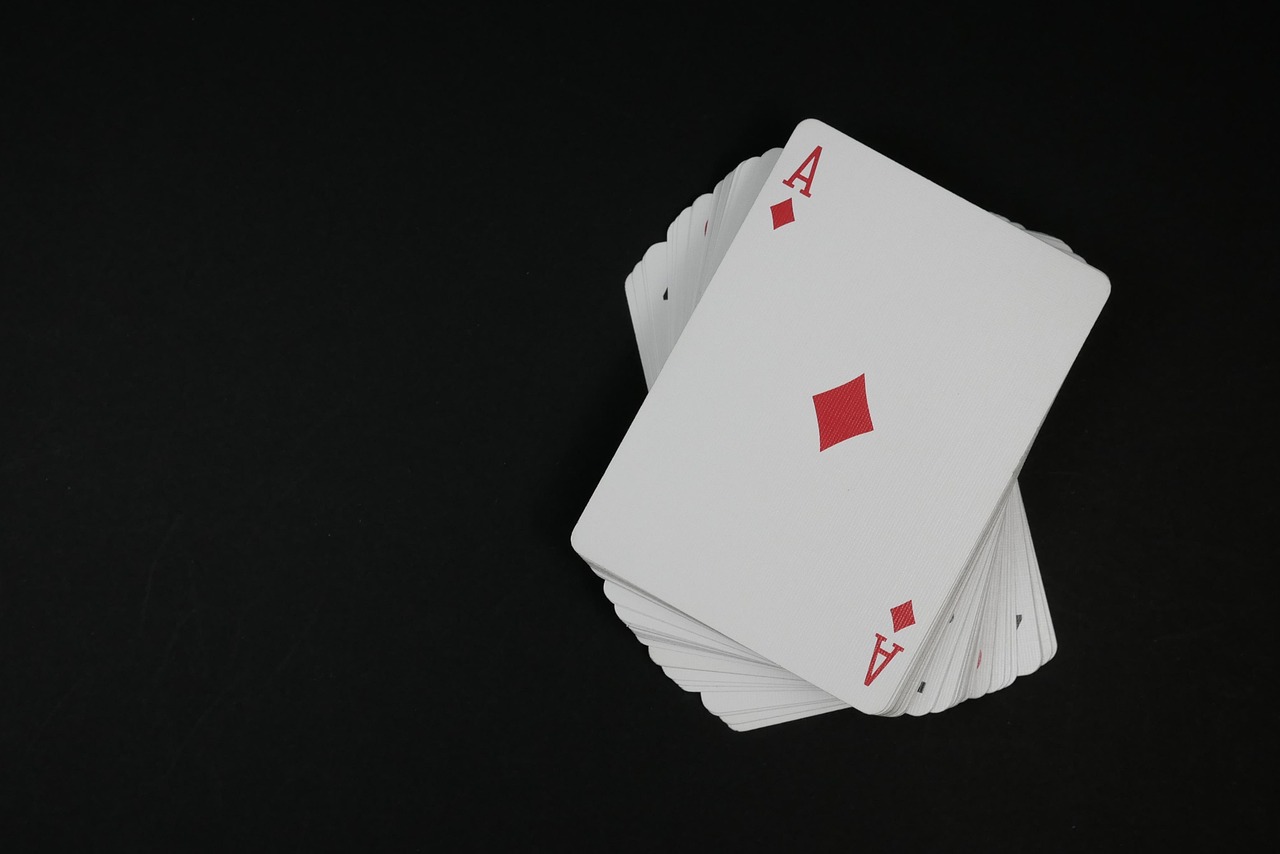
Every gambler remembers their first big win. Mine came on a Tuesday night in a smoky back-room poker game, hitting a runner-runner flush that bankrupted a man who'd been needling me for three hours. The rush was real. So was the lesson that followed: I gave most of it back over the next month, chasing that exact feeling on slots I didn't understand. That cycle is the whole iGaming industry in miniature — and if you're reading this, you've probably lived some version of it.
This isn't a lecture. It's a breakdown of how the machines, the tables, and the math actually work, so you can play with your eyes open instead of your wallet shut.
New players often think a casino that "always wins" must be rigged. It isn't rigged. It's priced. Every game carries a built-in mathematical advantage for the operator, and that percentage is the entire reason the building has chandeliers.
Here's the rough landscape:
The pattern is clear. Games with a skill element and lower variance give you a better chance. Games built on pure randomness with flashy jackpots take a bigger cut. Neither is wrong to play — but knowing the number changes how you approach it.
Ask ten slot players about RTP and maybe two know their machine's percentage. Ask about volatility and you'll get blank stares. That's a shame, because volatility — also called variance — is what determines whether your session feels like a slow bleed or a rollercoaster.
Low-volatility slots pay small amounts often. High-volatility slots pay rarely but can hit enormous multipliers. A 96% RTP machine with high volatility still pays 96% over millions of spins, but your $100 session might be gone in fifteen minutes or sitting at $800 depending on which side of the curve you land.
Three practical things worth doing:
Megaways titles and "book of" clone slots dominate the current landscape, and they're almost universally high-volatility. They're fun, but they're designed for the highlight reel, not for a steady session.
Here's the uncomfortable truth casino operators don't advertise: in poker, you're not playing the house. You're playing other people, and the house just rakes the pot. That 5% rake (or whatever your room charges) is the only guaranteed loser — and if you're the best player at the table, you can beat it.
But the phrase "best player" is doing heavy lifting. Modern online poker is not the soft game it was in 2008. Solvers, tracking software, and a generation raised on GTO (game theory optimal) strategy have compressed win rates dramatically. If you're playing $1/$2 live against tourists, sure, there's money. If you're playing $0.50/$1 online against anonymous Russians, you're probably the fish.
Signs you're the mark at the table:
If two or more of those apply, invest in a training course before your next deposit. Seriously. A $50 subscription will save you hundreds. Those comparing choices often turn to สล็อต.
Sports betting has exploded, and with it a certain kind of confidence: "the Chiefs can't lose to the Panthers." They can. They do. Every season delivers at least one absurd upset that wipes out accumulators across the country.
The mechanics are straightforward. Bookmakers set a line so they profit regardless of outcome, then adjust as money flows in. The overround (or vigorish) on a typical two-way market is around 4–5%. On accumulators with six or more legs, that margin compounds fast — a five-leg parlay at even odds might really be offering combined implied probability well below what the payout suggests.
Sharp bettors focus on line shopping — comparing odds across multiple books — and closing line value, meaning they consistently get a better price than the final line before kickoff. If you're not doing either, you're paying the vig on autopilot.
Live betting is where recreational players get crushed hardest. The odds shift in seconds, and betting on emotion during a momentum swing is exactly how books pay for their advertising budget.
Nobody ever built a following writing about bankroll management, but it's the difference between a hobby and a disaster. A few principles that hold regardless of what you play:
I've watched friends win $3,000 on a slot session and blow it in ninety minutes because they had no exit plan. The win isn't real until you stop playing and walk away with it.
Two trends are worth watching. First, regulators are tightening the screws — mandating RTP disclosure, restricting advertising, and in some markets capping spin speed and deposit limits. That's mostly good news for players. Second, gamification is intensifying: missions, live-streamed slots, crypto casinos, and casino streamers blurring the line between entertainment and advertising.
The streams are the piece I'd warn about most. Watching a creator hit a 10,000x multiplier on a $50 spin is thrilling — and it's also a cherry-picked highlight reel funded by the operator. Nobody streams the fifteen-hour grind where the balance trickles to zero.
None of this means don't play. It means play with clarity. Know the edge, know your limits, and treat the money you risk as money already spent on entertainment. The games are heavily tilted in the house's favor. Your job is to make sure the tilt doesn't reach your life outside the screen.

Hi, my name is Anthony kuber. I am artist and fashion designer.
I love to travel and writing blogging.
Your email address will not be published. Required fields are marked *
Software Developer & Writer
Hey, I'm Diva, a developer and writer blending code and creativity. I'm driven by a deep curiosity and a relentless pursuit of excellence. Join me as I craft digital solutions and captivating stories.


